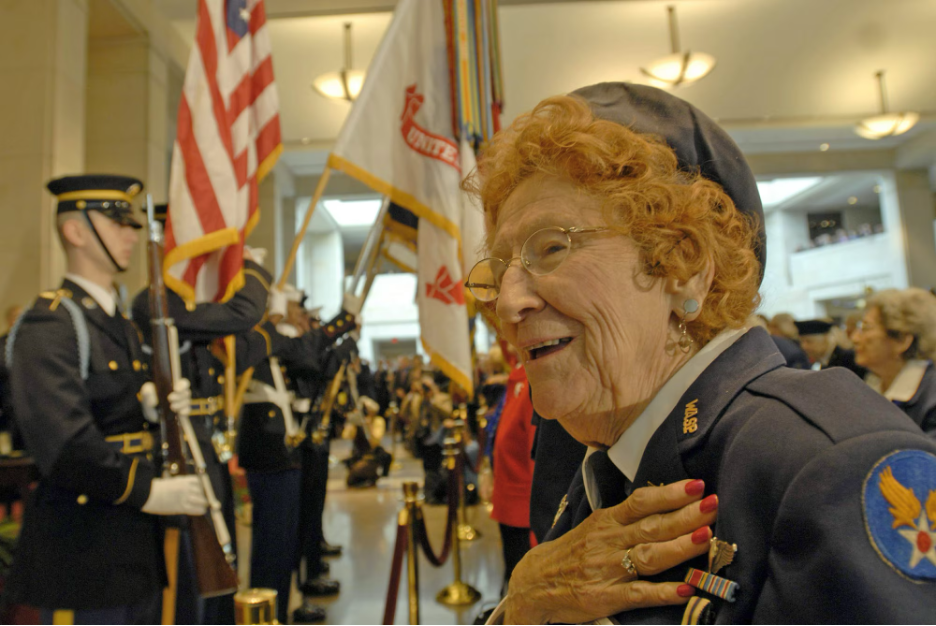
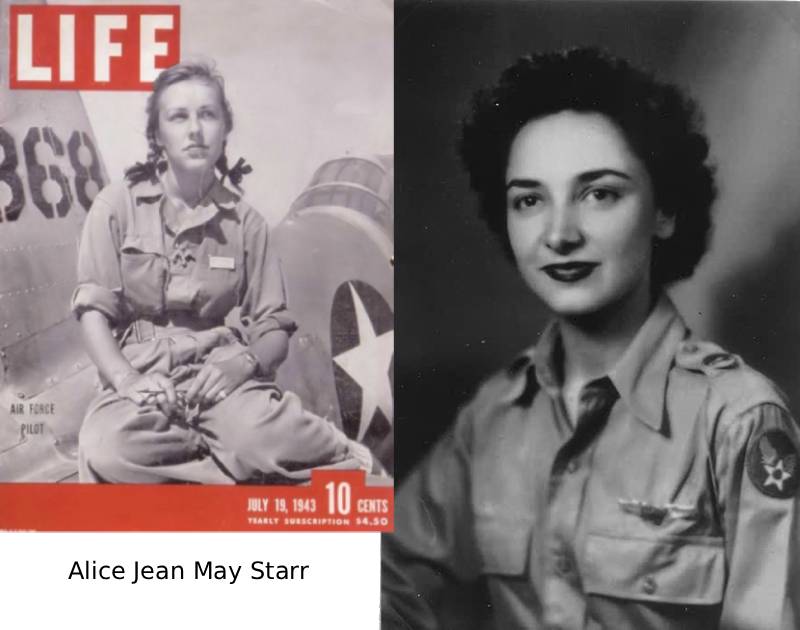
The Amazing Adventures of Alice Jean May Starr
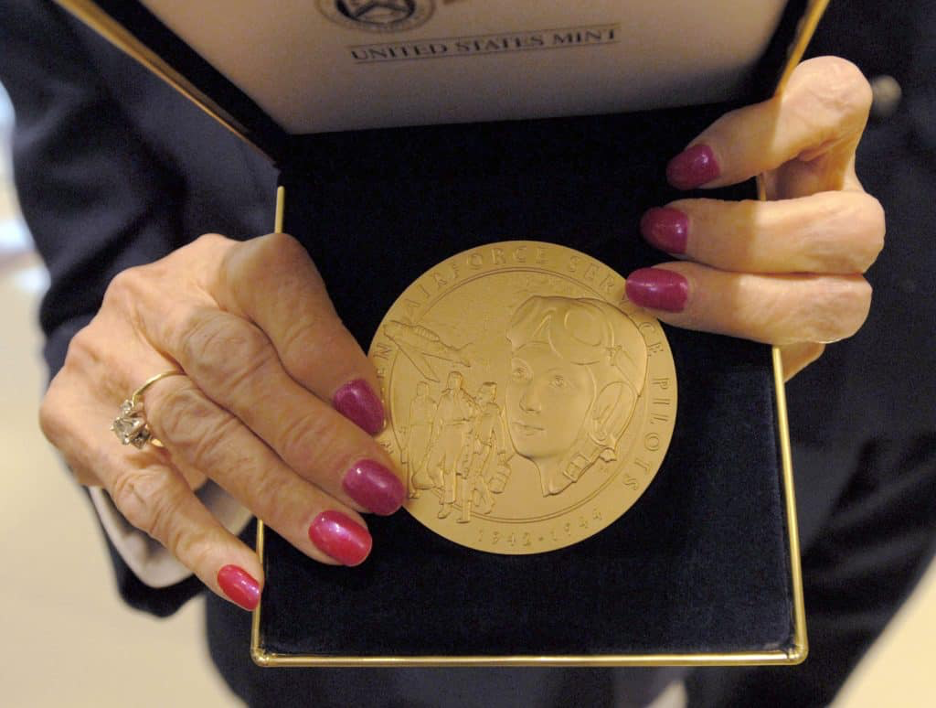
The amazing adventures of Alice Jean May Starr (A.J.) serving in the Women Airforce Service Pilots during WW II class 4, 1943 and the tragic death of her classmate, Hazel Lee.
“As a young child my farther took our family to the airport in New Jersey to experience the joy of watching the airplane take-offs and landings.
I was fortunate to live during the time of Charles Lindbergh’s flight in 1927 then Amelia Earhart’s solo flight across the Atlantic in 1932.
As a young woman I attended a lecture by Amelia Earhart at my local New Jersey high school and waited for Amelia to come out of the building and asked her for her autograph.
In 1940 while I was in art school, I was so inspired by Amelia that I was determined to learn how to fly and joined the Women Flyers of America as a charter member in New York where I earned gold wings after 7 months of training. I was the first student of the WFA program to solo! Then flying was cut out in the East Coast due to the upcoming war and I read about the WASPS in Life magazine and applied but there was no room so I joined the US Navy station in Atlanta, Georgia and trained as an instructor in the use the link trainers (see blog of Florence Wheeler) and tested other pilots.
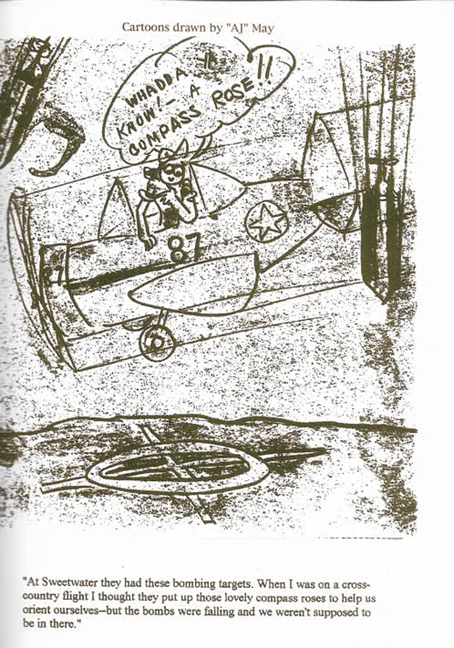
At last, I was called to join the WASPs, and I took a cattle train to Sweet Water, Texas and went to Pursuit fighter plane school and learned to fly the P-40, P-47 Thunderbolt, and P-51 Mustang.
One day at Sweetwater, I let the cat out of the bag that I could play the bugle, so I got slapped with the job of playing Reveille at dawn and Taps at the end of the day ordered by Director Jackie Cochran. There was a woman who worked in the hangars at night, and wept every time she heard me blow taps, as she had lost her husband in the war,”
Jeane Slone, MC at the Santa Rosa Vets building event gently asked A.J. Starr: “I know one of your classmates died in a tragic accident ferrying airplanes from the factories to the army bases for the men to fly into combat are you willing to talk to us about this?”
Alice answered, “Yes, Hazel Lee was one of my classmates, the first Chinese American girl who graduated in the WASPs in October 1943. She was flying a P-63 King cobra from the factory to Great Falls, Montana, and did everything correctly to get there. We flew many Pursuit fighter airplanes for the Soviet Union 588th all women night bomber regiment to pick and then bomb the Germans.
A male pilot’s radio conked out and he should have stopped his plane which was required by the regulations. Hazel made a long final approach, but the male pilot took a short final approach. Hazel pulled up and crashed into the other pilot. She lived for two days, as a burn victim. Because WASPs were classified as civilians, the military did not cover her funeral expenses, and her family had to pay to transport her body back to Portland.
It was so unfortunate that her death was only a month before the WASPs were disbanded. I was given the opportunity to drive her car back to her relatives.
After the WASPs were disbanded for returning male pilots to take over in December 1944, eight months before the war was ended, I worked for a surplus aircraft company, ferrying out worn bomber airplanes.
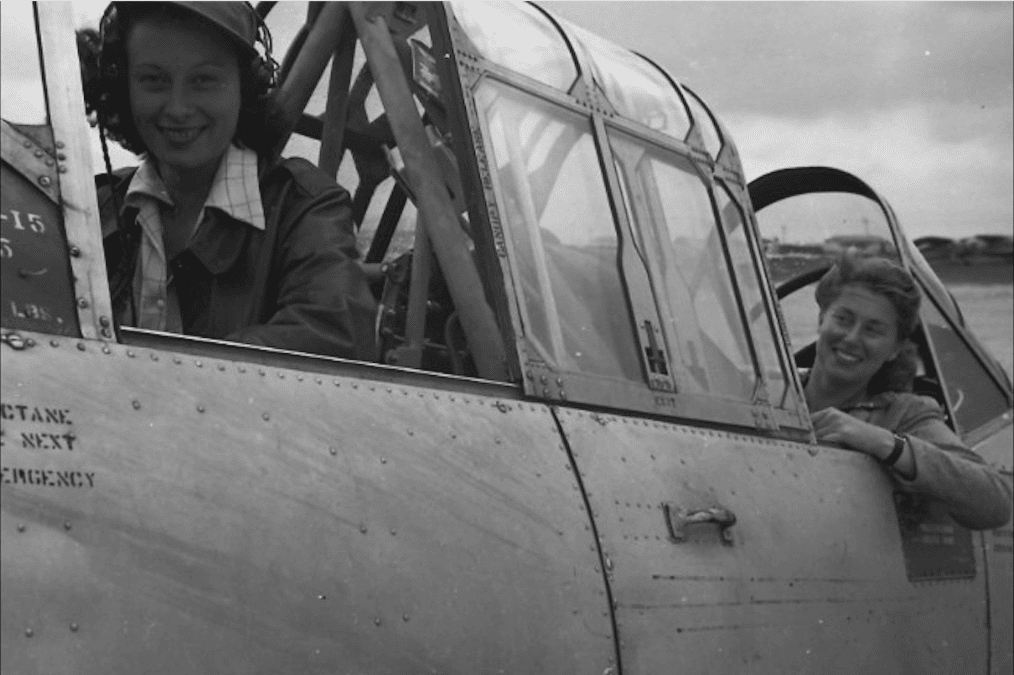
Every day I had in the Women’s Airforce Service Pilots was an adventure, and I would’ve missed it for the world. I had the chance of a lifetime to fly many pursuits plus cargo planes, and Bombers and my favorite airplane the sleek P-51 Mustang.”
The audience exploded into applause as A.J. Starr finished her lecture.
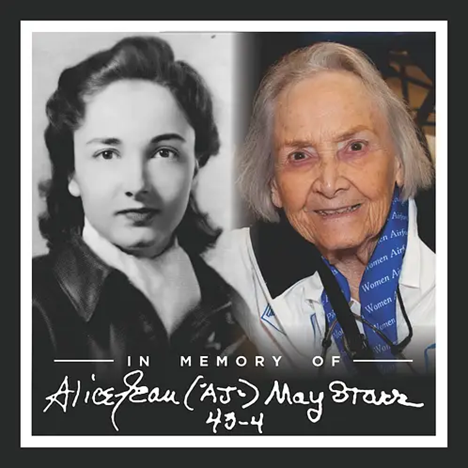
Alice Jeane Starr was born on 7/17 /1920 and lived to the long well-lived life of 102 on 6/28/2023.
To hear all the stories collected of the Women’s Airforce Service Pilots, you can purchase the DVD audio of their stories in our shop!
Click the image below to shop now!