Daycare During WWII
I expected to read that childcare during that period employed corporal punishment to discipline children but I learned otherwise!
Nationwide, by mid-1944, only about 3,000 child-care centers were operating, with a capacity of around 130,000 children. California served 25,000 children during the war.
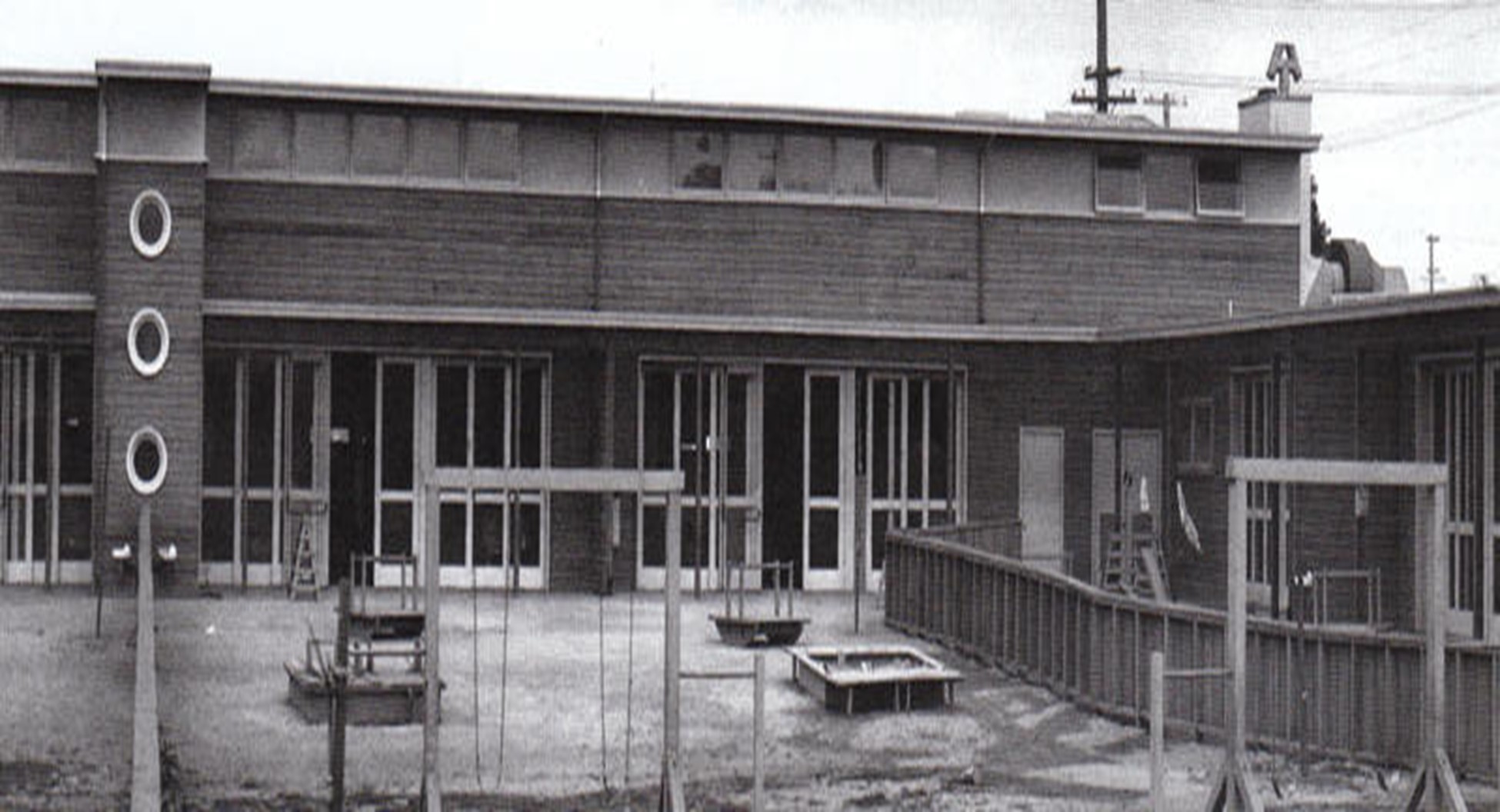
In the Richmond, California, area (serving the Kaiser Shipyards), approximately 35 nursery schools of varying sizes were established during the war.
Many of the federally funded Richmond centers established for shipyard workers did not serve African American children. As a result, Black families in Richmond relied more on family networks, churches, neighborly help, and other informal or community-based arrangements rather than on the large, federally operated centers. Some of the workers’ children were found in cars and drugged with sleep medicine so the Black mothers could go to work. In California, Black children were enrolled in Oakland, Los Angeles, and San Diego. As a whole, in the United States, some childcare programs were integrated or segregated, while others offered no childcare options for Black working women.
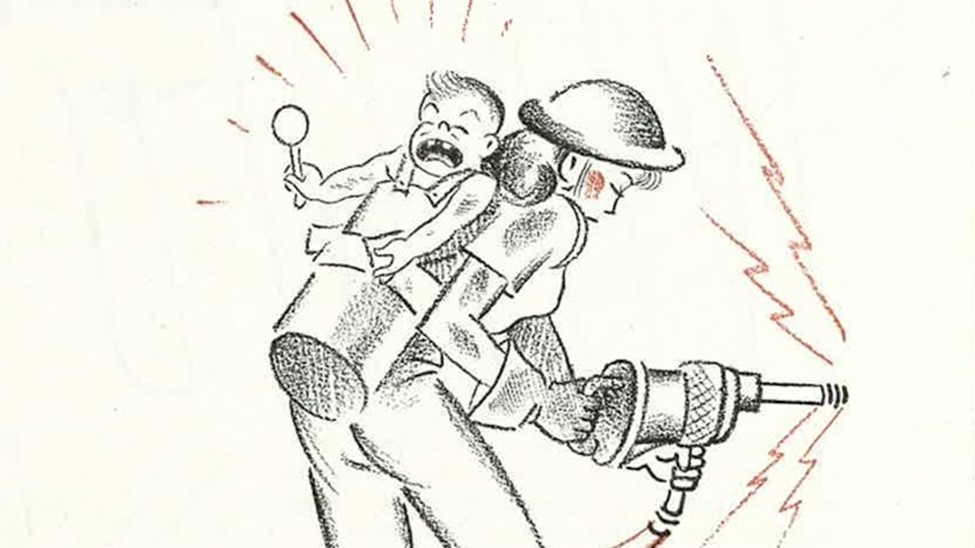
When American men went off to war and women took jobs in factories, shipyards, and offices, childcare became a national concern. Mothers urgently needed safe, affordable childcare so they could work.
MOST CLOSED BY FEBRUARY 1946.
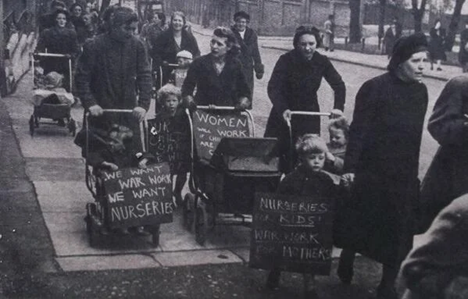
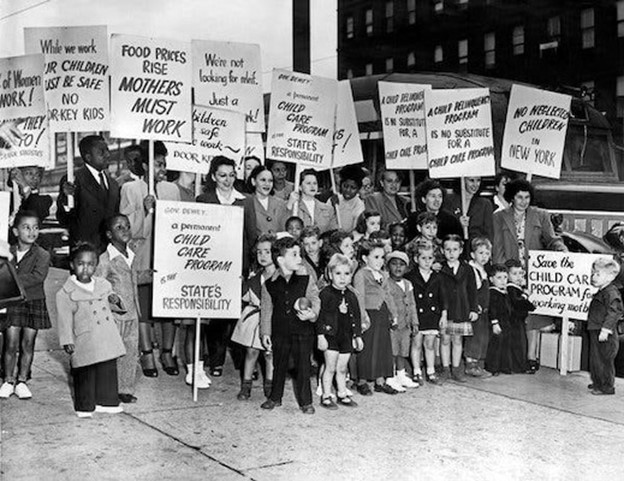
In 1943, widespread protests for childcare were driven by the massive influx of women into the wartime workforce, which created a critical need for childcare solutions. These protests, organized by groups like the CIO’s Congress of Women’s Auxiliaries and supported by unions and lobbying efforts, were instrumental in securing federal funding for wartime childcare programs under the Lanham Act. This led to the creation of federally subsidized childcare centers, a first in U.S. history, to support the children of working mothers.
This was the first and only time the U.S. government provided universal childcare.
Isn’t it astonishing that by 1943, over 6 million women had joined the labor force?
Progressive educational programs which included art, nutritional hot meals, Health care and family counseling.
Progressive Educational Programming:
The centers adopted progressive educational methods that focused on holistic child development. The curriculum was designed to stimulate cognitive, emotional, and social growth in young children.
Art Classes:
Recognizing the importance of creativity in child development, the centers offered art classes that allowed children to express themselves and develop their artistic skills.
Well-Balanced Hot Meals:
Nutrition was a key component of the childcare services. The centers provided well-balanced hot meals to ensure that the children received the necessary nutrients for healthy growth and development.
Health Care:
On-site health care services were available to address any medical needs the children might have, ensuring their well-being while their parents were at work.
Family Counseling:
Understanding the stresses and challenges faced by working families, the centers also offered family counseling services to support parents and children alike.
At many of the centers, nutritious meals and health screenings were offered. Trained teachers led educational and play activities. The progressive centers provided art classes, well-balanced hot meals, on-site health care services, and family counseling! Wow, isn’t this amazing?
The typical fee charged was 50 cents per day.
Early in the war, there was resistance to mothers working, but propaganda soon shifted.
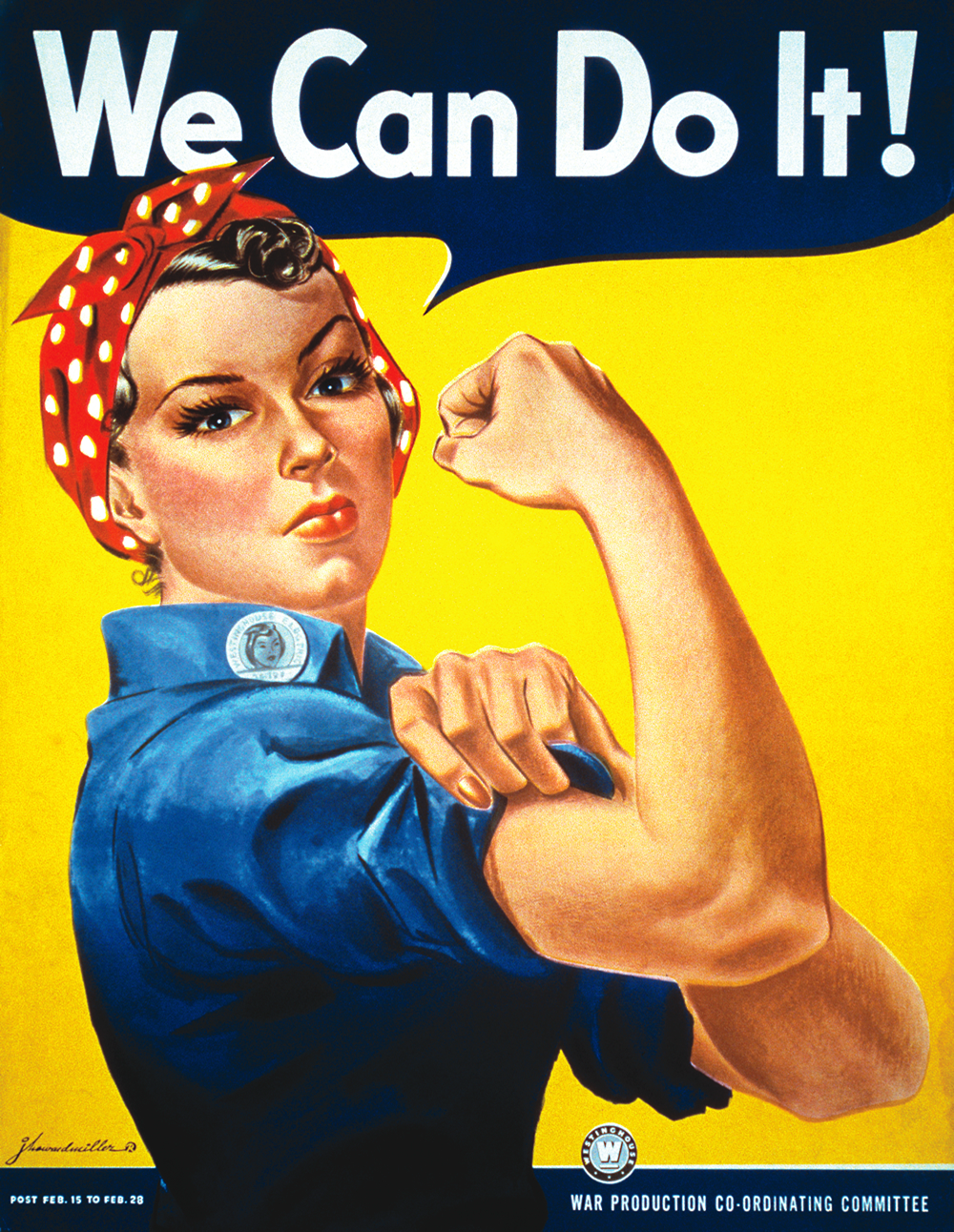
Posters and leaflets encouraged women to join the workforce while reassuring them that their children would be “well cared for.”
Women’s magazines featured stories about patriotic mothers who worked in factories and cared for their families.
The End of Wartime Childcare
After the war, when men returned and women were encouraged to return home, federal funding abruptly ended in 1946. Some of the women wanted to continue their jobs, especially widows. Most childcare centers closed, even though many mothers wanted them to continue operating. This marked the end of large-scale public childcare in the U.S. until decades later.
It was said at the time that women should stay at home, multiply by having children, and enjoy their new appliances because the men needed the jobs now.
WERE YOU SURPRISED TO LEARN ABOUT CHILDCARE DURING WW II?
Please comment and tell me your thoughts!
Stay tuned to learn about the WWII SS Jeremiah O’Brien going under the Golden Gate Bridge while the Blue Angels perform in the sky.